Ask a farmer to show you their withdrawal records and you will usually be handed a treatment book and a vaccination card. Both matter. But on a broiler farm the largest and longest exposure is neither — it is the feed.
Read the label on the bag
Standard broiler starter, grower and finisher rations routinely contain a coccidiostat, and often a growth promoter. This is not unusual practice or a sign of a bad supplier; it is how most compounded broiler feed is formulated, and the bag says so.
The clearest proof is the ration you may already be buying for the final days before slaughter. Many feed ranges include a maintenance or finisher-withdrawal product whose stated distinguishing feature is that it contains no growth promoter and no coccidiostat. That product exists precisely because the ration before it did.
Put plainly: if you feed a medicated ration and then sell the birds without the stated interval, you have a residue problem — and nothing about the bird will look wrong.
Why feed is the harder of the three to catch
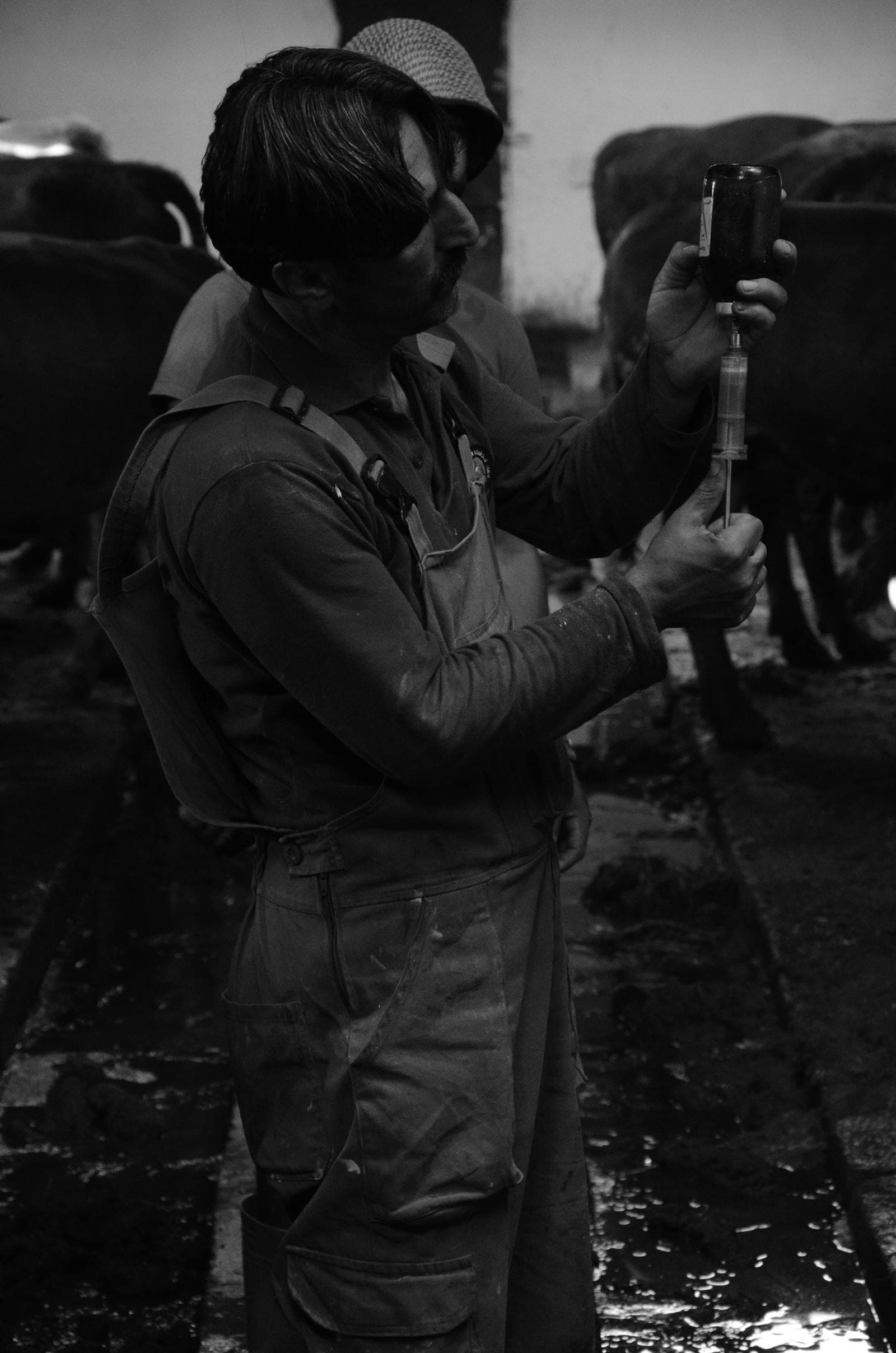
A treatment is an event. Somebody drew up a syringe on a particular day, and the act itself is memorable enough to write down.
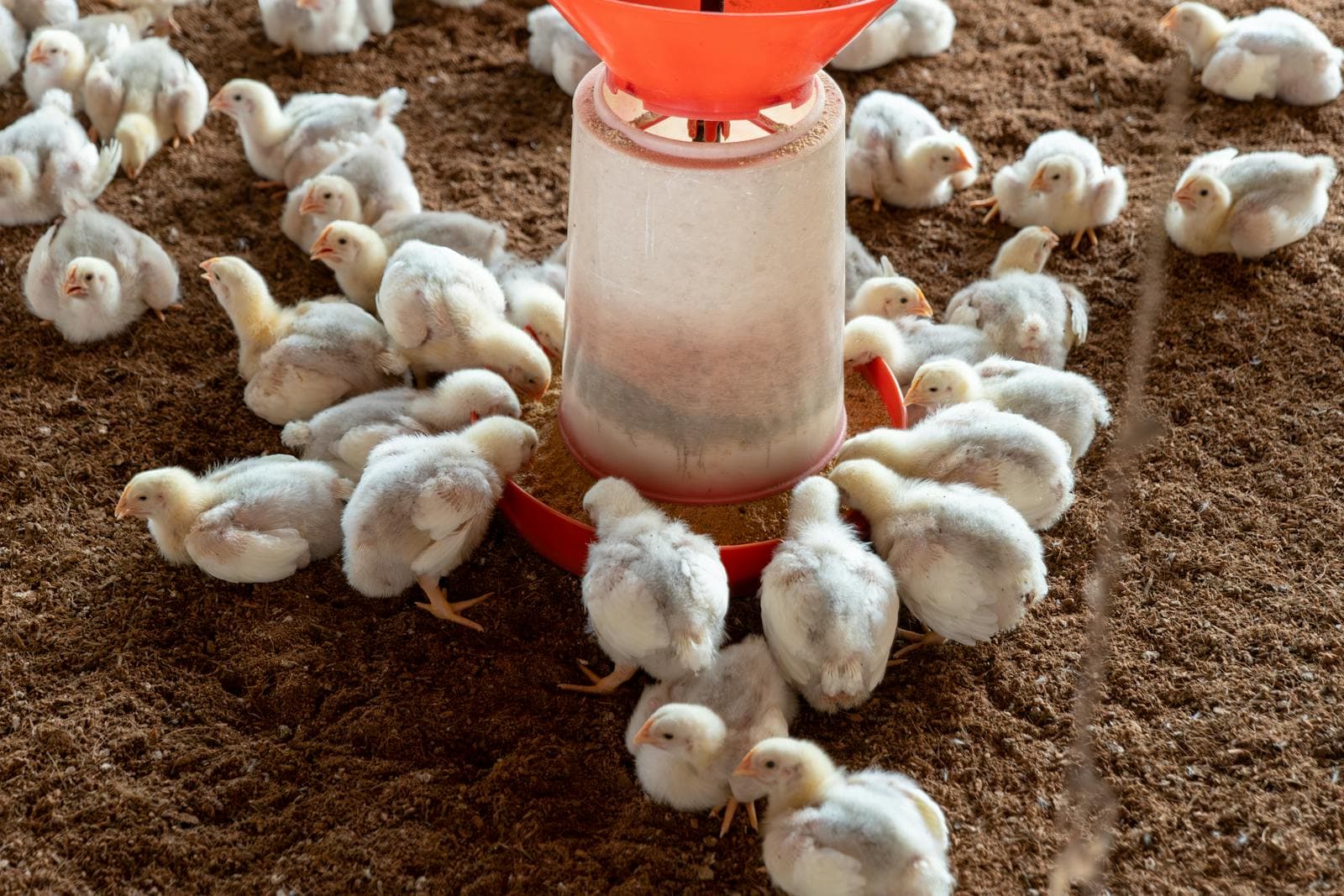
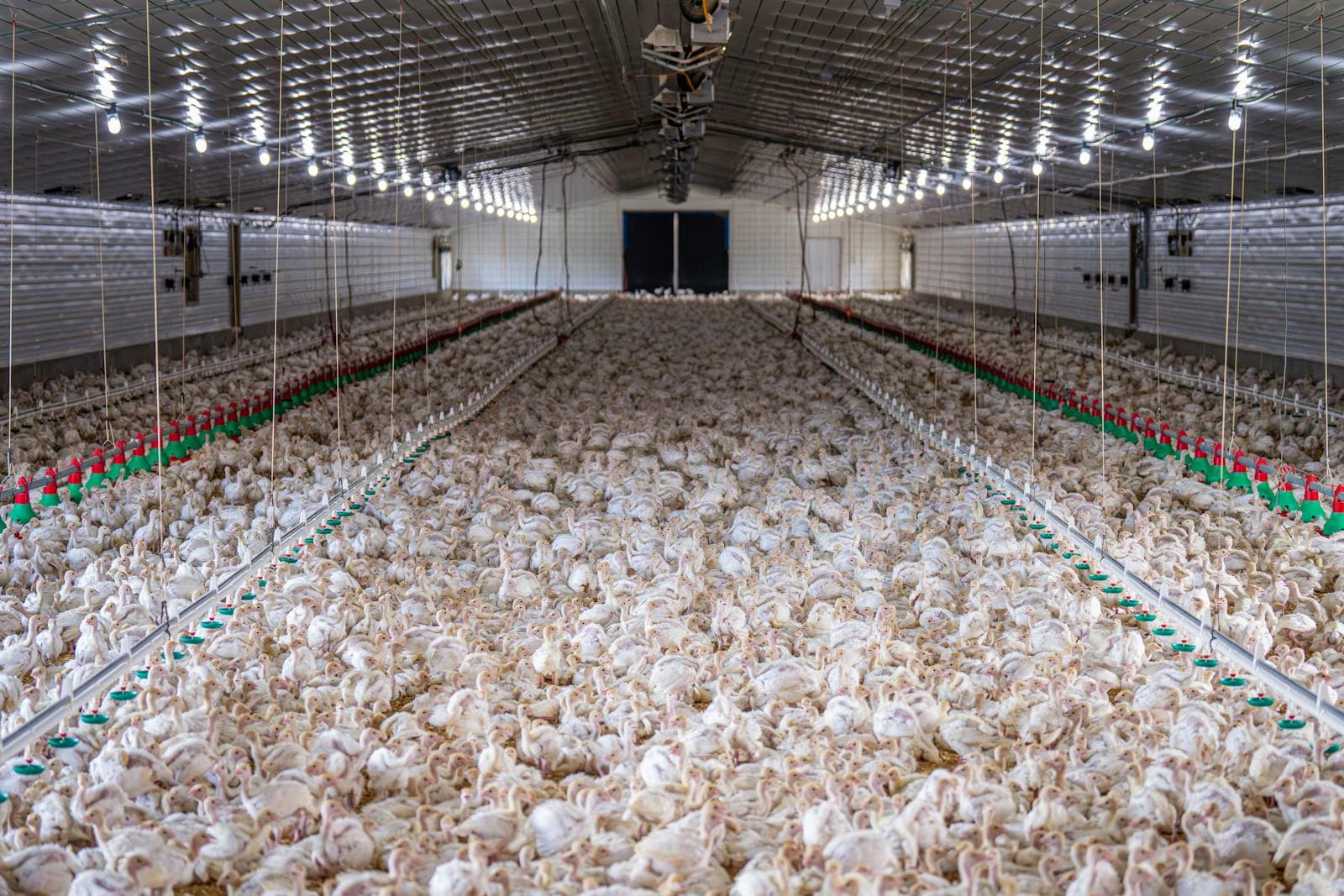
Feed is not an event. It is a bulk material that arrives on a truck and is eaten continuously by thousands of birds for weeks. There is no moment that feels like "administering" anything, so there is no moment that prompts anyone to record it — and the exposure runs for the entire growing period rather than a single day.
That is the whole difficulty. The biggest residue risk on the farm is the one with the fewest natural prompts to record it.
One period is not enough
This is the part that catches out even careful operations. A ration can be clear for slaughter and still not clear for eggs.
Residues reach muscle and egg by different routes and clear at different rates, so authorisations set the periods separately. A number of coccidiostats carry an egg restriction for exactly this reason. If you keep a single "withdrawal days" figure per feed, a layer flock is the case that breaks it — and it breaks in the worst direction, by reading clear when it is not.
Milk has a third quirk worth knowing: dairy withdrawals are frequently expressed in milkings or hours, not whole days. A cow milked twice a day crosses a day boundary in the middle of a withdrawal, so rounding to whole days either discards milk that was fit to sell or releases milk that was not.
Never assume a number
There is no universal withdrawal period to memorise. The interval is a property of the formulation, not of the active substance: the same coccidiostat at two inclusion rates, or from two different authorisation holders, can carry different periods. Residue limits themselves vary by two orders of magnitude between substances.
So the only correct source is the label of the product in front of you, and the registration number on that bag is what identifies the formulation the period belongs to.
"We do not know" is not "none required"
A zero-day withdrawal is a real thing — some formulations state it. An unrecorded period is something else entirely: a question nobody answered.
These two collapse together with remarkable ease. A blank field, a spreadsheet cell treated as zero, a system defaulting a missing number — and "we never checked" silently becomes "cleared for sale". If you take one habit from this article, make it this: record the stated zero as a zero, and treat a blank as a stop.
What good practice looks like
- Capture the label once, per feed product — medicated yes/no, the active substance, the registration number, and the withdrawal periods for meat, eggs and milk separately.
- Record which feed went to which house, and when. Without that link there is nothing to calculate a clearance date from.
- Let the clearance date be calculated, not remembered. Feeding date plus the stated period is arithmetic; doing it in your head on the morning the buyer arrives is how it goes wrong.
- Make the block sit at the sale, not in a folder. A withdrawal record that does not interrupt the person selling the birds has not prevented anything.
- Keep the delivery notes. If a residue question is ever asked, the registration number and the delivery date are the evidence that answers it.
The point is not paperwork
Withdrawal records are usually filed under compliance, which makes them feel like something done for an inspector. They are not. They are the mechanism that stops a farm selling something it should not have sold — most often to a neighbour, a local butcher, or at the farm gate, where nobody is going to test anything and nobody will ever know.
That is exactly why the record has to do the remembering.
FuroTrack records medicated feed against the flock that ate it, calculates the meat, egg and milk clearance dates separately from the label you enter, and refuses a sale while a withdrawal is still running.
Ready to try FuroTrack on your farm?
Create a free account without a payment card and set up your first farm records.
Start free